
A thoughtful hiring process includes an interview with the director of the program, another interview with the supervisor or program coordinator, a tour of the facility, and time spent working in the actual classroom with the teachers. Finally, there should be time for the teachers to sit together (as the potential team) and just talk. Reference checks and the result of a background check round out the information needed. As director, my role is to pull all of these outcomes together to make the final decision—to hire or not to hire.
A bit about interviewing might be helpful here. First off, the candidate should be expected, and greeted warmly. I write this with some hesitancy, because it seems like this should be a “duh!” comment. However, I cannot tell you how many times I have heard the prior interview experiences of job candidates— “People came by and just looked at me; no one greeted me; they couldn’t find my resume; people didn’t seem to know I was even interviewing; it was chaotic from the start.” And so on—you get the picture. Certainly, not a great first impression. In fact, I consider this rude and disrespectful. How does this even happen?
During the actual interview, some questions are off limits! It is illegal to ask job applicants about their age, race, gender, or sexual orientation. And because most early childhood candidates are female, beware of potentially discriminatory questions such as: Are you married? Single? Divorced? Engaged? Do you have children? What are their ages? Do you have childcare in place? Staying far away from personal questions is the safest route to take.
The best questions are those that will get a candidate relaxed and talking. They are open-ended: “Tell me about a time …” invites a response. “Tell me about a time you had a conflict with a team mate.” “Tell me about a time you had to tell a parent something difficult.” “Tell me about a time you just knew you were meant to be a toddler teacher.”
Some say that the past is a good indicator of the future, so prior experience with children, teammates, and parents is important information to learn. Listen carefully!
And finally, I look for one important ingredient—enthusiasm! I watch faces and expressions during an interview—when a candidate lights up while telling a story. I see the passion and the excitement that I want to capture for my program!
End result—hired!
Once hired, my next task for this new teacher is an orientation, training, and a good, solid, successful, first week! This is the topic for next month’s blog post.
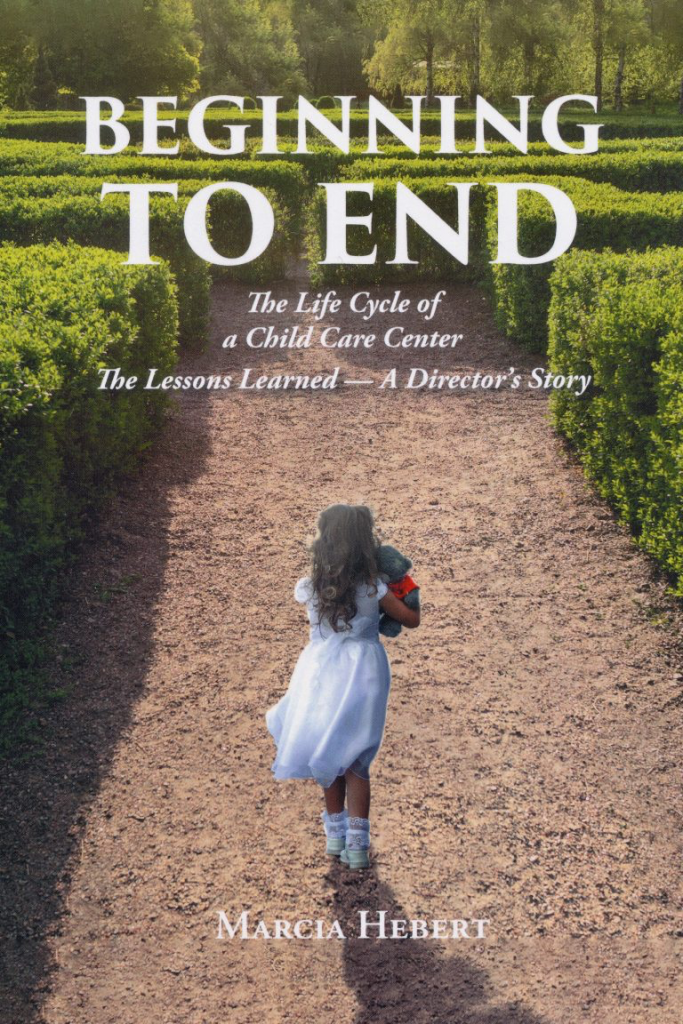
For more tips, techniques, and how-tos that worked for me, take a look at Beginning to End: The Life Cycle of a Child Care Center—A Director’s Story, at amazon.com books.
